
Posted on 2026-10-07
Electrical warning signs for homes in Poole
Electrical warning signs in a domestic installation are not always dramatic. Many begin as minor inconveniences: a light that flickers occasionally, a circuit breaker that trips once and then resets without apparent issue. Understanding which symptoms warrant professional investigation helps homeowners arrange an assessment before a fault develops further, rather than waiting for a more serious problem. A circuit breaker that trips when a circuit is genuinely overloaded is functioning correctly. The concern arises when a breaker trips repeatedly without a clear cause, or when it will not remain on after being reset. These patterns can indicate a fault in the circuit wiring rather than a temporary overload. An electrician can carry out insulation resistance tests and other diagnostics to identify the source. Repeatedly resetting a breaker that keeps tripping, without identifying the underlying cause, is not a safe approach. Unusual or excessive warmth, discolouration or scorch marks at a socket or switch can indicate overheating, a poor connection or overloading. Do not touch a fitting to check its temperature or remove covers to investigate. Any visible discolouration, scorch marks or apparent melting around a socket or switch faceplate is a sign that significant heat has already been generated at that location. The accessory should not be used until a qualified electrician has assessed and resolved the cause. Flickering can have several causes, including a failing lamp or driver, incompatible controls, a poor connection or a supply problem. The number of fittings affected does not establish the cause. Do not open fittings or repeatedly energise a suspect circuit to reproduce a fault. A qualified electrician can investigate persistent or unexplained symptoms. A burning smell near the consumer unit, a socket, or any fitting is a serious indicator of a fault and should not be ignored. Similarly, buzzing, crackling or sizzling sounds from any electrical component are abnormal. Stop using affected equipment and isolate only if the controls are safely accessible. Do not touch hot, damaged or smoking fittings. If there is fire or smoke suggesting one, get out, stay out and call 999. Otherwise arrange qualified assessment promptly. An installation using the older cable colour coding, with red for live conductors and black for neutral rather than the current brown and blue, is likely to be of considerable age. Do not open accessories to inspect conductor colours. Old colours alone do not mean the installation is unsafe, but older fixed wiring benefits from periodic assessment to confirm that circuit protection, earthing and bonding arrangements remain adequate for current standards. Electrical Safety First provides guidance on recognising potential hazards in domestic electrical installations and on when a formal assessment is advisable (https://www.electricalsafetyfirst.org.uk/safety-advice/your-questions-answered/). If you have noticed any of the symptoms described above, a [Fault Finding & Repairs](/fault-finding) assessment can identify the source of the fault and set out the work required to address it. Where no specific fault is present but the installation has not been formally assessed for a significant period, an Electrical Installation Condition Report provides a comprehensive check of the fixed wiring, consumer unit and circuit protection. A qualified electrician will advise which type of assessment is appropriate for your situation and what work, if any, is needed.
Common warning signs in domestic electrical installations
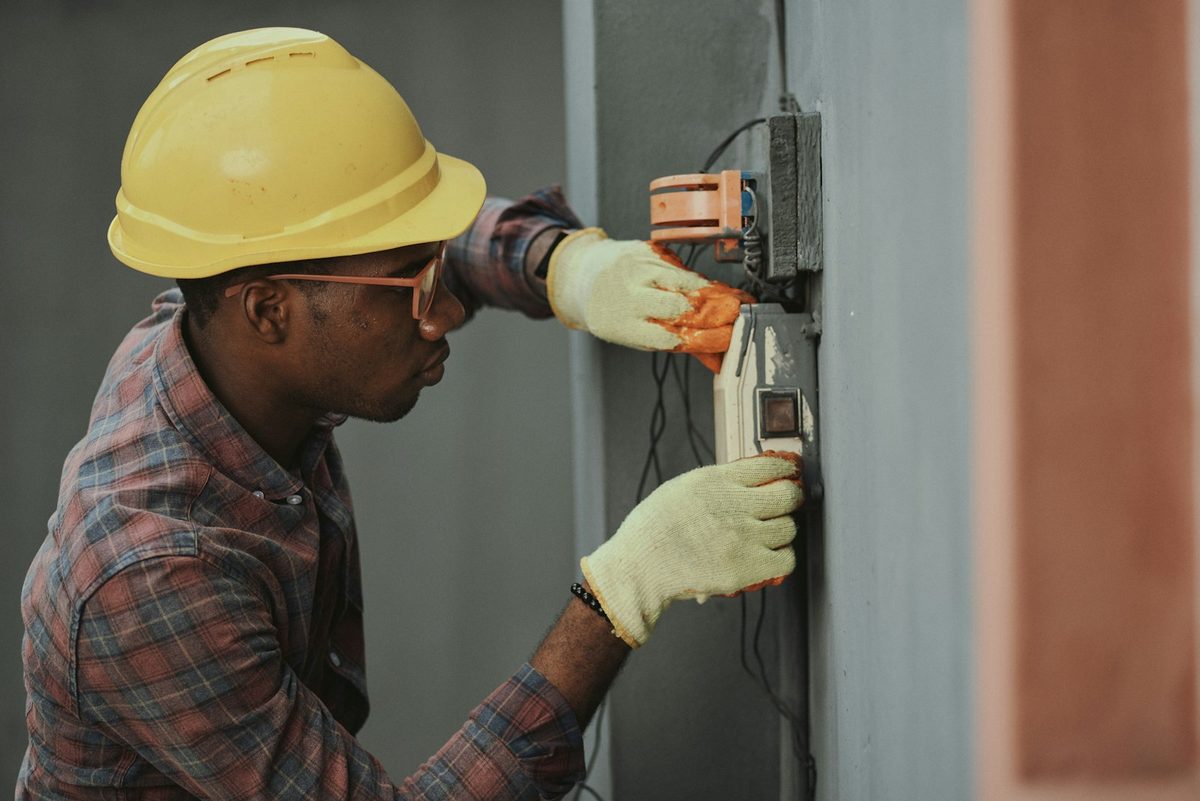
Repeatedly tripping circuit breakers
A circuit breaker that trips frequently without an obvious overload, or one that will not stay on after being reset, can indicate a fault in the circuit wiring rather than a temporary overload. Repeated resetting without identifying the cause is not safe practice. An electrician can carry out diagnostic tests to determine whether the fault lies in the wiring, a protective device or a connected appliance.
Warm or discoloured sockets and switches
Unusual or excessive warmth, discolouration and scorch marks can indicate overheating. Do not touch fittings to check temperature. Stop using affected equipment and seek qualified assessment; isolate only if controls are safely accessible.
Flickering lights that persist after a lamp change
Persistent flickering can arise from lamps, drivers, controls, wiring connections or the supply. Its pattern alone does not establish the cause. Do not open fittings or repeatedly energise a suspect circuit to reproduce the symptom; arrange qualified assessment.
Burning smell or audible sounds from electrical components
A burning smell or abnormal crackling needs prompt attention. Stop using affected equipment and isolate only if safe. Do not touch hot, damaged or smoking fittings. For fire or smoke suggesting one, get out, stay out and call 999.
What to do when you notice a warning sign
Stop using the affected outlet or circuit
Stop using the suspect outlet or circuit. Isolate only if controls are safely accessible, without touching hot, wet, damaged or smoking fittings. For fire or smoke suggesting one, get out, stay out and call 999.
Note the details of what you have observed
Before an electrician visits, note when symptoms first appeared, how often they occur, and whether they affect one area or multiple circuits. Record any pattern already observed, without running appliances or energising a suspect circuit to reproduce it. This information helps focus the assessment on the most likely areas of the installation.
Arrange a professional assessment
A qualified electrician can carry out a targeted inspection to identify the source of a specific fault, or a full Electrical Installation Condition Report where the installation has not been formally checked for some time. Both approaches provide a systematic assessment of the relevant circuits and set out what work, if any, is needed.
Related Services in Poole
Related Guides
Sources
- Electrical Safety First guidance — https://www.electricalsafetyfirst.org.uk/safety-advice/your-questions-answered/