
Posted on 2026-10-07
What to do about a sparking socket in Poole
A small arc can occur when an appliance is connected, but its size alone does not establish that the socket or appliance is safe. However, persistent, loud or recurring sparks from a socket are a different matter and may indicate a fault in the wiring, the socket itself, or the appliance being connected. Understanding the difference helps you decide when the situation calls for professional assessment. When a plug is inserted into a live socket, a tiny arc can occur as the pins make contact with the socket terminals. Do not continue using a suspect socket simply because a flash is brief; recurring, changed or unexplained sparking needs qualified assessment. The spark should be small, brief and not accompanied by any noise or smell. If you are consistently seeing a large flash, hearing a crackling or popping sound, or noticing a burning odour when using a particular socket, that is not normal behaviour and warrants prompt attention from a qualified electrician. Faulty wiring connections behind the socket faceplate are one possible cause of persistent sparking. If a wire has worked loose from its terminal, arcing can occur whenever current flows through that circuit. Moisture ingress is another factor, particularly in kitchens or utility rooms where steam and condensation can affect socket internals over time. An overloaded circuit, where too many high-draw appliances are connected through an adaptor or extension lead, can also cause visible arcing and heat build-up at the socket. In older properties, the condition of the wiring and the socket faceplate itself may have deteriorated over many years, making a professional check of the installation worthwhile. Stop using a suspect socket and isolate only if the controls are safely accessible. Do not touch hot, wet, damaged or smoking fittings, and do not approach a consumer unit through a hazardous area. If there is fire or smoke suggesting one, get out, stay out and call 999. Do not remove the faceplate, open the wiring or keep energising the socket to reproduce the fault. Arrange qualified assessment. For sparking that appears minor but recurs, note when it happens, which socket is affected, which appliance was connected and how often the problem occurs. Contact a qualified electrician to carry out an inspection. Providing accurate observations helps the engineer determine where to focus their assessment. The cause may be in the socket, its wiring, the plug or the connected appliance. Do not test another appliance in a suspect socket or move a suspect appliance to another outlet. An electrician can safely isolate and carry out the appropriate inspection and tests; one insulation-resistance result alone does not establish that every connection is sound. In kitchens, standard 13-amp sockets are permitted and are not subject to the zoning restrictions that apply in bathrooms and shower rooms. Socket positioning must take the actual exposure to water, heat and damage into account; being above a worktop does not itself make a socket impermissible. In bathrooms and shower rooms, socket positioning and type depend on the actual bath or shower layout, separation, required protection and current BS 7671 requirements. Being outside a zone alone does not establish that an ordinary socket is permissible. A qualified electrician should assess the room before any socket work is undertaken, and this applies to both new socket installations and replacements where the type or position might change. Under Part P of the Building Regulations, a like-for-like socket replacement is generally not notifiable. In England, adding a socket to an existing circuit in an ordinary room is generally not notifiable. A new circuit, consumer unit replacement, or addition or alteration within the defined bath or shower special-location area is notifiable. A registered competent person may self-certify within scheme scope; otherwise the appropriate building-control route must be arranged. If you are unsure whether your planned work is notifiable, a qualified electrician can advise before work begins and issue the appropriate documentation on completion. For new circuit work, this will be an Electrical Installation Certificate. Notification to building control, where required, results in a separate completion document issued by the relevant body. For further guidance on electrical safety in the home, the Electrical Safety First organisation publishes practical information at https://www.electricalsafetyfirst.org.uk/safety-advice/your-questions-answered/ If you need a qualified electrician to assess a sparking socket or inspect the condition of your wiring in Poole, you can submit an enquiry through the [Lighting & Sockets](/lighting-and-sockets) page.
Warning Signs of a Faulty Socket
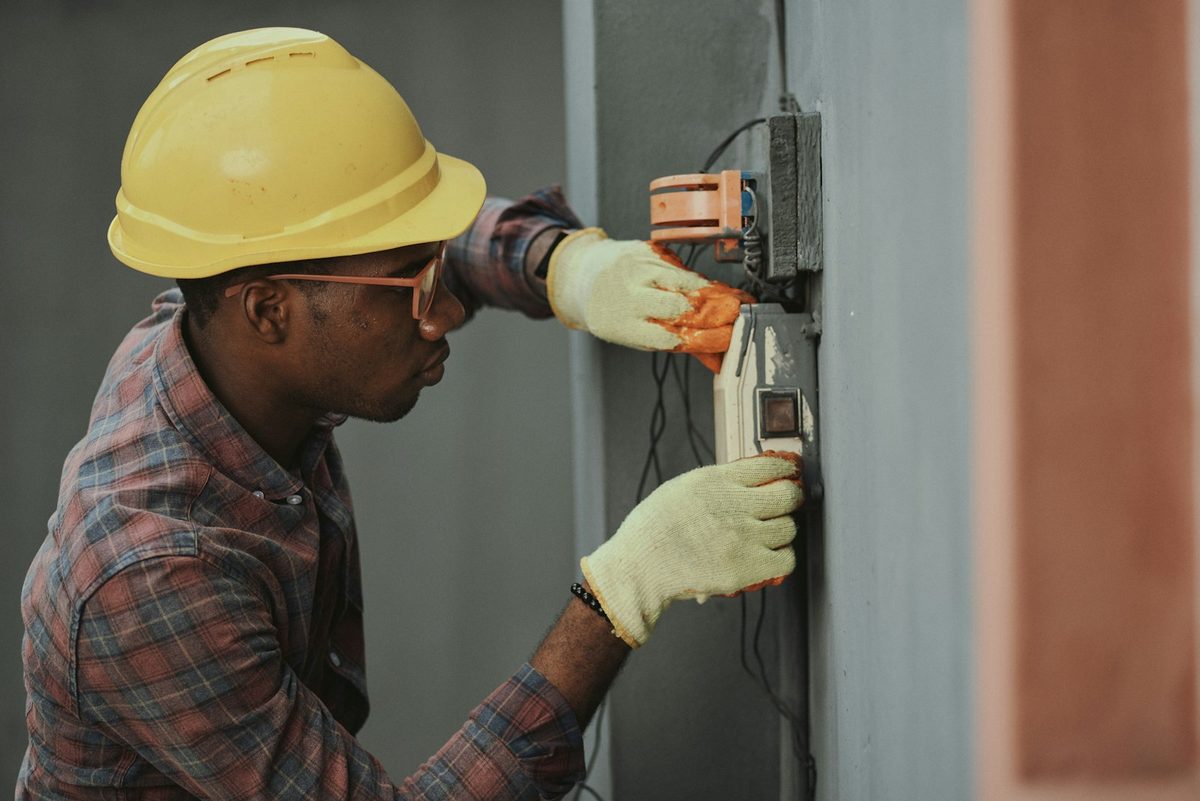
Large or recurring sparks
Sparking may have several causes; its size alone does not establish safety. Recurring, changed or unexplained sparking needs qualified assessment. Stop using a suspect socket and do not repeatedly energise it to reproduce the symptom.
Burning smell or scorch marks
Burning smells or scorch marks can indicate overheating. Stop using affected equipment and isolate only if controls are safely accessible. For fire or smoke suggesting one, get out, stay out and call 999.
Warm socket faceplate
Unusual or excessive heat, discolouration or damage can indicate a problem, but does not establish its cause. Do not touch fittings to check their temperature or open covers. Stop using suspect equipment and seek qualified assessment.
Circuit breaker tripping
If using a particular socket causes the circuit breaker to trip, there may be an overload, short circuit or ground fault on that circuit. Repeated tripping should be investigated by a qualified electrician rather than simply reset each time.
What to Do About a Sparking Socket
Switch off the affected circuit
Stop using the suspect socket. Isolate only if controls are safely accessible without approaching hot, wet, damaged or smoking equipment. For fire or smoke suggesting one, get out, stay out and call 999.
Observe and note the details
Record what you already observed, including the socket, connected appliance, timing and any noise, smell or damage. Do not energise the circuit or connect appliances to reproduce the fault.
Do not test suspect sockets or appliances
Do not connect another appliance to a suspect socket or move a suspect appliance to another outlet. Leave fault reproduction and electrical testing to a qualified electrician using appropriate safe-isolation procedures.
Arrange a qualified electrician's inspection
Contact a qualified electrician to assess the socket and carry out appropriate tests. Depending on findings, repair may involve tightening or replacing terminals, investigating the wiring behind the faceplate, or further circuit testing to identify the source of the fault.
Related Services in Poole
Related Guides
Sources
- Electrical Safety First guidance — https://www.electricalsafetyfirst.org.uk/safety-advice/your-questions-answered/